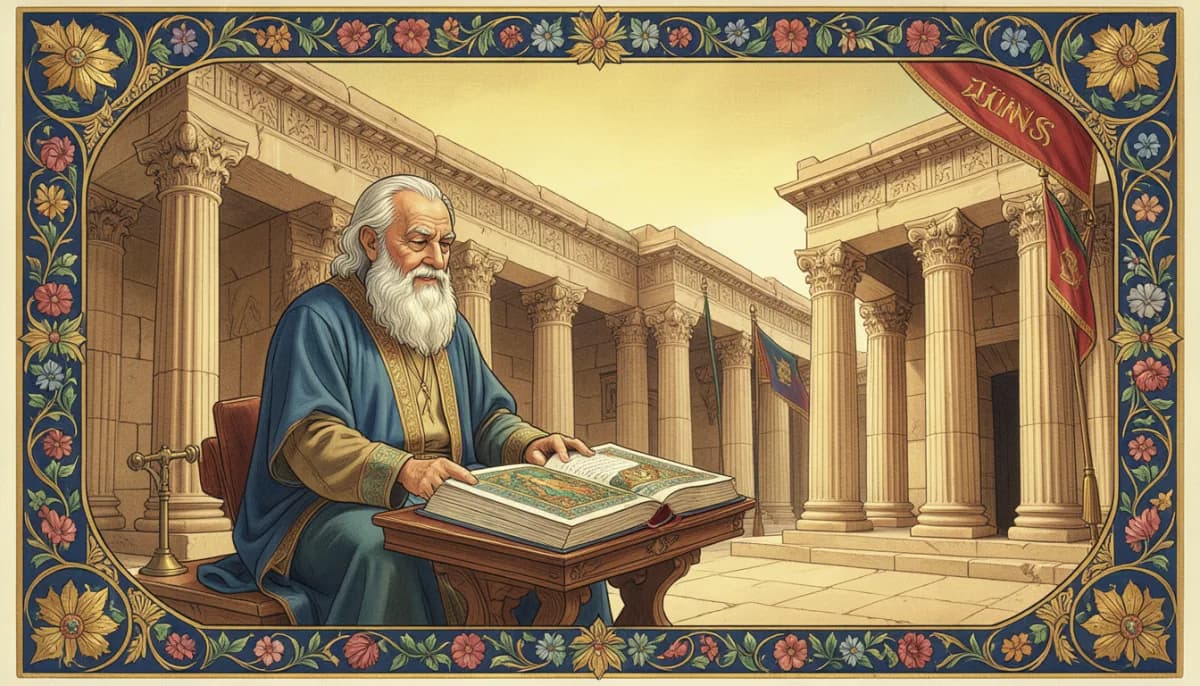
بخش ۳ - گفتار اَندر آفرینشِ عالم
Ferdowsi · Shahnameh
از آغاز باید که دانی دُرُست
سَرِ مایهٔ گوهَران از نُخُست
که یَزدان زِ ناچیز چیز آفرید
بِدان تا توانایی آرَد پَدید
سَرِ مایهٔ گوهران این چهار
بَرآوَرده بیرَنج و بیروزگار
یکی آتشی بَر شُده تابناک
میانْ آب و باد از بَرِ تیره خاک
نخُستین که آتش به جُنبش دَمید
زِ گرمیش پَس خُشکی آمد پَدید
و زان پَس زِ آرام سَردی نُمود
زِ سَردی هَمان باز تَری فُزود
چو این چار گوهَر به جای آمدند
زِ بَهرِ سِپَنجی سَرای آمدند
گُهرها یِک اَندر دِگَر ساخته
زِ هَر گونه گَردن بَراَفراخته
پَدید آمد این گُنبدِ تیز رو
شگفتی نمایندهٔ نو به نو
اَبَر دَه و دو هَفت شُد کَدخُدای
گرفتند هَر یِک سزاوار جای
دَرِ بَخشش و دادن آمد پَدید
ببخشید دانا چُنان چون سَزید
فلکها یِک اَندر دِگَر بَسته شُد
بِجُنبید چون کار پیوسته شُد
چو دریا و چون کوه و چون دَشت و راغ
زَمین شُد به کِردارِ روشَن چراغ
بِبالید کوه آبها بَر دَمید
سَرِ رُستَنی سوی بالا کشید
زمین را بُلندی نَبُد جایگاه
یکی مَرکزی تیره بود و سیاه
ستاره بَر او بَرشِگِفتی نُمود
به خاک اَندرون روشنایی فُزود
هَمی بَر شُد آتش فُرود آمد آب
هَمی گَشت گِردِ زمین آفتاب
گیا رُست با چَند گونه درخت
به زیر اَندر آمد سَرانشان زِ بَخت
بِبالَد نَدارد جُز این نیرویی
نپویَد چو پویَندگان هَر سویی
و زان پَس چو جُنبَنده آمد پَدید
همه رُستَنی زیرِ خویش آورید
خور و خواب و آرام جوید هَمی
و زان زندگی کام جوید هَمی
نه گویا زَبان وُ نه جویا خِرَد
زِ خاک و زِ خاشاک تَن پَروَرَد
نَداند بَد و نیکِ فرجامِ کار
نخواهد از او بَندگی کِردگار
چو دانا تَوانا بُد و دادگَر
از ایرا نکرد ایچ پنهان هنر
چُنین است فَرجامِ کارِ جَهان
نَداند کسی آشکار و نهان
What this poem says
To understand the world, one must look back to the beginning of existence and know that the exalted Lord, to reveal His matchless power, brought being out of non-being and created creatures out of nothing. In the beginning, He created the four essential elements of existence — fire, water, wind, and earth — without effort and without need of time's passing. A bright, hot fire came forth and took its place beside water, wind, and dark earth, so that from the mingling of heat and cold, dryness and moisture, the material world could take shape. Then He raised the turning dome of the sky, forever revolving and showing some fresh wonder at every instant; He set the stars and planets within it and gave each its task, so that the wheel of time would turn. Following the heavens' motion, the earth — until then a dark, dim center — lit up like a lamp. Mountains lifted their heads to the sky, springs and rivers began to flow, and plants and trees of every kind grew up out of the earth. Plants have only the power to grow, and unlike other living things they cannot move; after them came the creation of animals, who rank above plants. Animals, having the power of motion, brought every plant under their rule; they eat, sleep, and seek ease, and their whole portion of life is these bodily pleasures. It should be understood that animals have no speaking tongue and no searching reason, and are occupied only with the nurture of their earthly bodies — for this reason they do not know the outcome of good and evil, nor does God expect worship or servitude from them. This astonishing order shows that the Creator is both mighty and just, and has hidden no art in His creation, though no one fully knows this world's hidden secrets.
A prose synopsis, not a translation of the verse. Translated from the Persian summary.
More from Ferdowsi
- به نام خداوندِ جان و خردبخش ۱ - آغاز کتاب
- کُنون اِی خِرَدمَند وَصفِ خِرَدبخش ۲ - ستایشِ خرد
- چو زین بُگذَری مَردُم آمد پَدیدبخش ۴ - گفتار اَندر آفرینشِ مَردُم
- زِ یاقوتِ سُرخ اَست چَرخِ کَبودبخش ۵ - گفتار اندر آفرینشِ آفتاب
- چراغ اَست مَر تیره شَب را بَسیچبخش ۶ - در آفرینشِ ماه
- تو را دانش و دین رهاند درستبخش ۷ - گفتار اندر ستایش پیغمبر