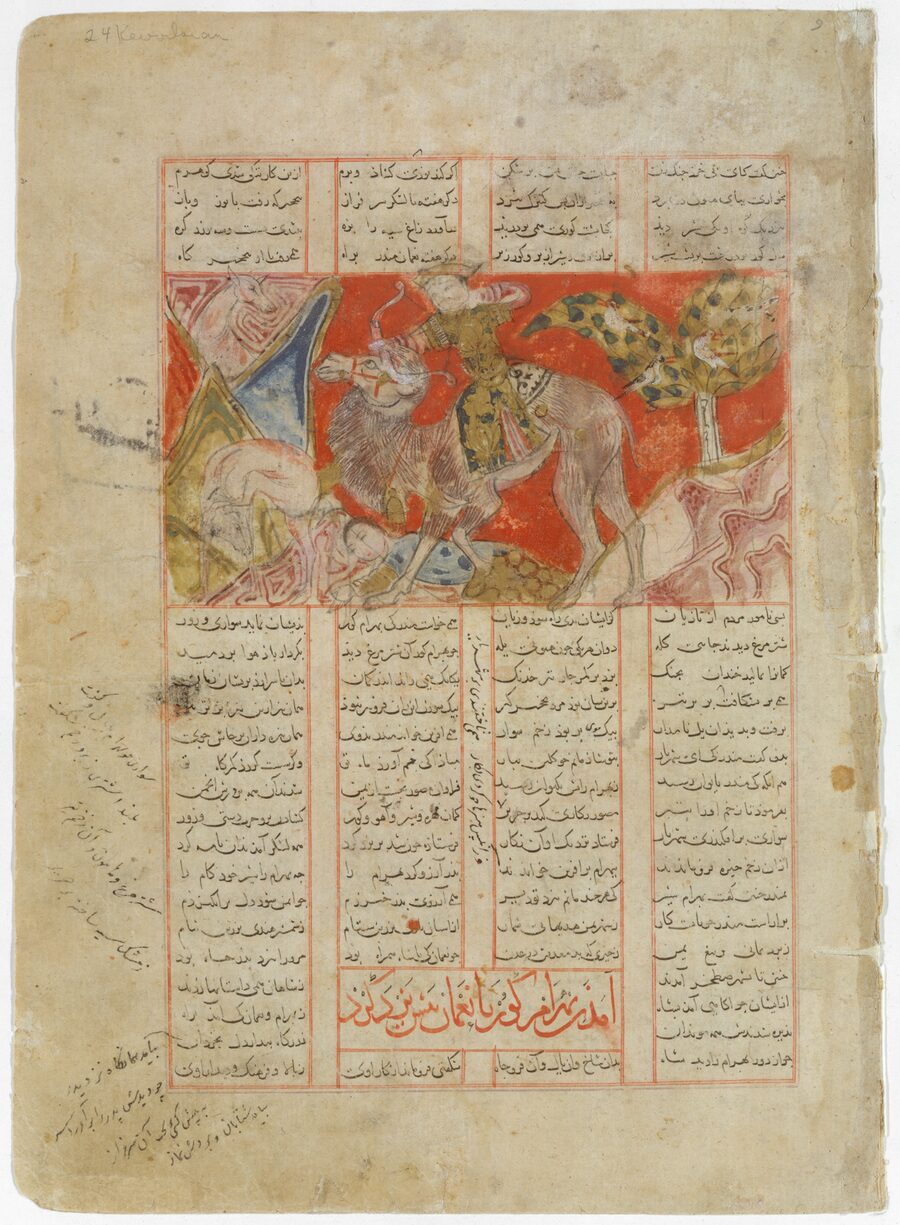
Shahnameh: The Persian Book of Kings
Abolqasem Ferdowsi
The Shahnameh is Iran's national epic, telling the mythical and historical past of the Persian Empire from creation to the Arab conquest. Ferdowsi spent 30 years composing this immortal masterpiece.
About this book
The Shahnameh (Book of Kings), composed by Hakim Abolqasem Ferdowsi of Tus (born c. 940 CE, died c. 1020 CE), is Iran's national epic and one of the longest poems ever written by a single author. Running to nearly 50,000 couplets, it was completed around 1010 CE after some three decades of sustained work.
The epic unfolds in three ages: the mythical (from Kayumars, the first king, through the tyrant Zahhak and the blacksmith Kaveh's revolt), the heroic (the sagas of Rostam and Sohrab, Siyavash, and the wars of Iran and Turan), and the historical (from the Parthians and Sasanians to the defeat by the Arab armies). Ferdowsi gathered these traditions from older Iranian sources and forged them into a single sweep.
The Shahnameh's importance is more than literary. By deliberately favoring Persian and avoiding foreign vocabulary, Ferdowsi preserved the language and the historical memory of Iran at a moment when both were at risk of erasure. For over a thousand years it has stood as a pillar of Iranian culture.
For the diaspora reader, the Shahnameh is a bridge to origins: a book whose heroes shape Iranian childhoods and whose lines let adults rediscover a national self. To read it is to reconnect with an ancestry and a language that recognize no border.
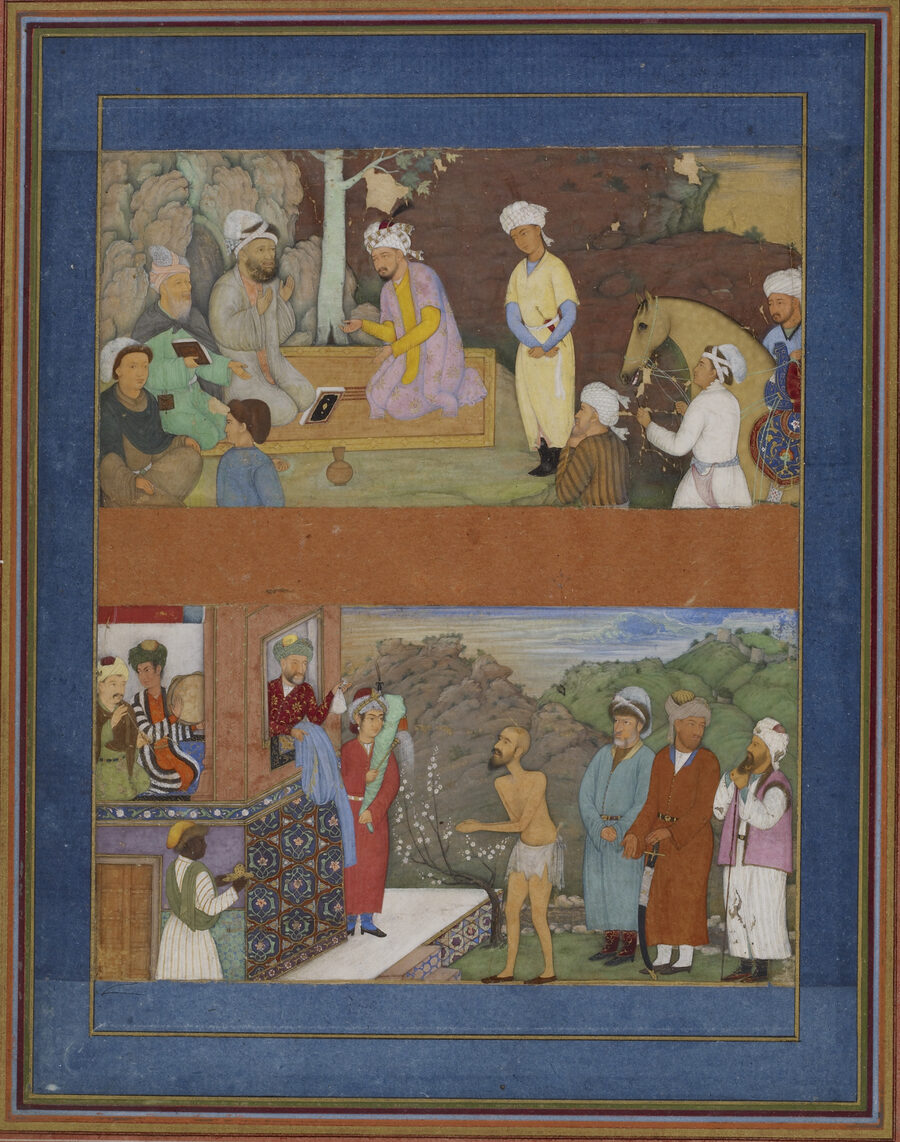
The Metropolitan Museum of Art, CC0 (Public Domain), via Wikimedia Commons