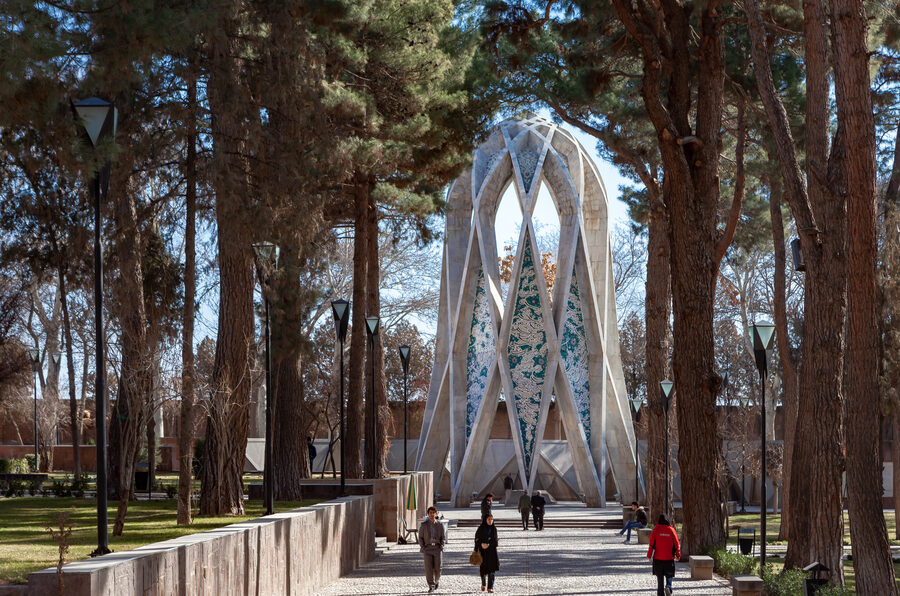
The Rubaiyat of Omar Khayyam
Omar Khayyam
Khayyam was a mathematician, astronomer, and great poet. His quatrains about life, death, and seizing the moment are among the most famous Persian poetry worldwide.
About this book
The Rubaiyat, a collection of quatrains attributed to Hakim Omar Khayyam of Nishapur (1048–1131 CE), is among the most widely known Persian poetry in the world. Before he was known as a poet, Khayyam was a major mathematician and astronomer.
He was a pioneer in algebra, advancing the solution of cubic equations, and he played a foundational role in reforming the Iranian calendar: the Jalali calendar, produced by order of the Seljuk sultan Malik-Shah with Khayyam and other astronomers, is one of the most accurate calendars ever devised.
The Rubaiyat meditate on the impermanence of the world, the mystery of death, and the worth of the present moment. Their questioning, skeptical voice — set against dogmatism and calling toward human reason and the joy of living — has kept these poems fresh in every age.
In 1859, Edward FitzGerald's translation introduced the Rubaiyat to the English-speaking world and brought Khayyam global fame. For the Iranian abroad, the Rubaiyat recall Iran's scientific heritage and offer an invitation to calm and to cherishing the moment.
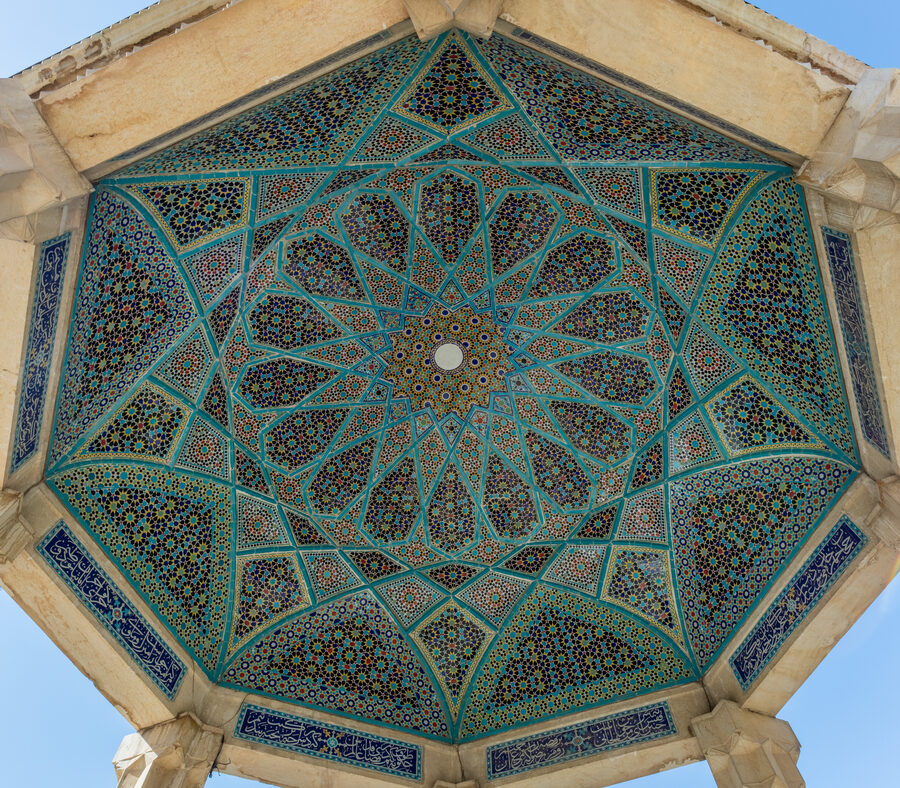
Photo: Ninara, CC BY 2.0, via Wikimedia Commons