The Cyrus Cylinder: The King of Persia's Proclamation
Irving Finkel (editor)
The history and meaning of the Cyrus Cylinder, the world's first human rights declaration, guaranteeing rights to peoples under Persian rule.
About this book
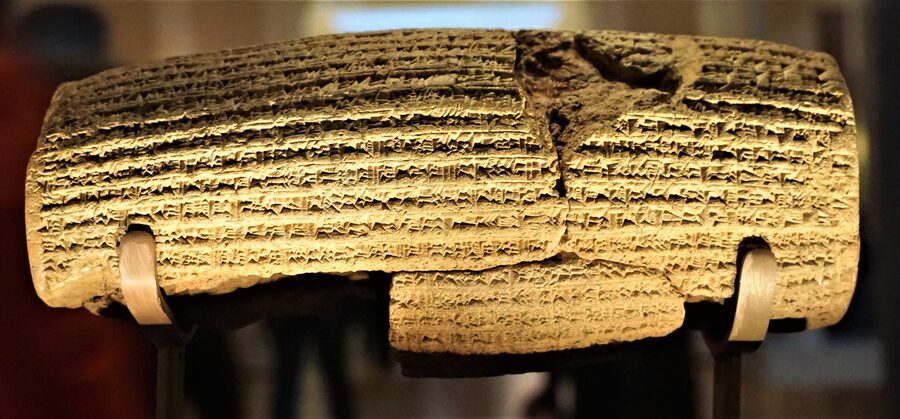
The Cyrus Cylinder: The King of Persia’s Proclamation from Ancient Babylon, edited by Irving Finkel, a cuneiform scholar at the British Museum, is a scholarly study of the Cyrus clay cylinder itself and its cuneiform text. It was published in 2013 alongside the display of the ancient object.
Irving Finkel, curator of cuneiform inscriptions in the Middle East department of the British Museum and one of the world’s most renowned Assyriologists, provides the translation and close reading of the cylinder’s text. His scholarly authority lends firm grounding to the debates surrounding the object.
The book presents both the full text of Cyrus’s proclamation after the conquest of Babylon in 539 BC and its historical context — how, by returning exiles and respecting the gods and customs of conquered peoples, Cyrus founded a new model of rule. The contributors also address whether the cylinder can rightly be called the world’s "first charter of human rights."
For the Iranian reader, the book is a first-hand document of the origins of the ideals of tolerance and forbearance in Iranian culture. The Cyrus Cylinder has become a global symbol of human dignity, and this work offers a documented, even-handed reading of what it truly means.
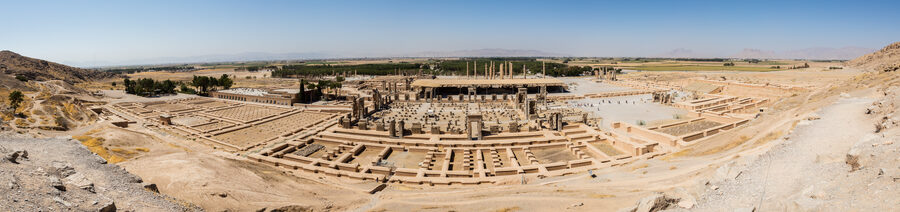
Photo by Joyofmuseums (Own work), CC BY-SA 4.0, via Wikimedia Commons